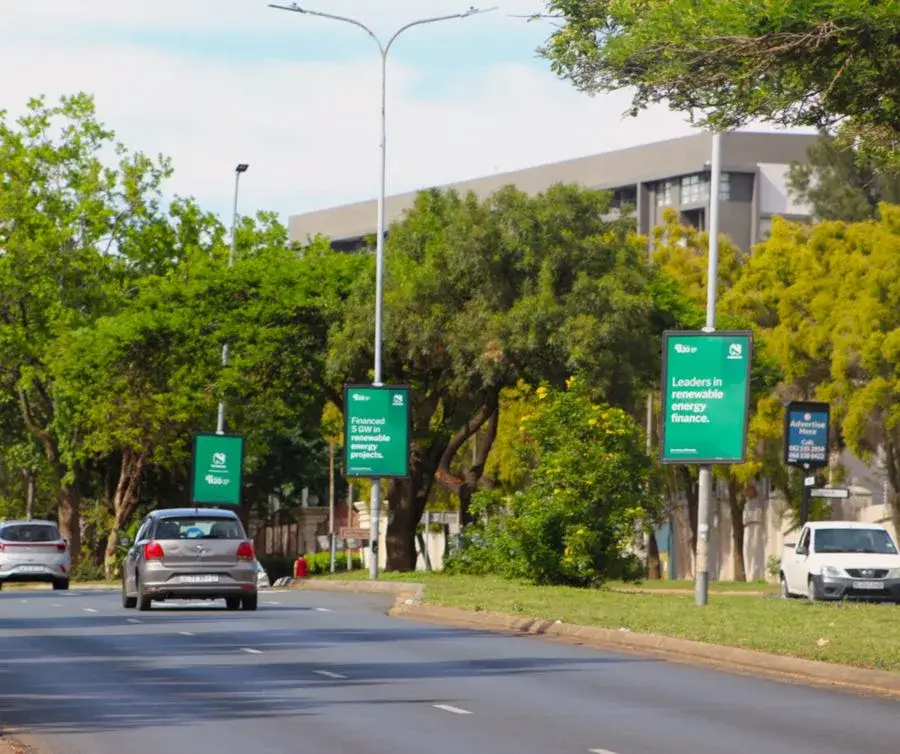
In today’s flooded media landscape, audiences are bombarded with messages from every possible angle: online, mobile, social, streaming and more. While digital channels continue to evolve at speed, Out-of-Home (OOH) advertising remains one of the most effective and trusted anchors within an integrated marketing communication strategy. When OOH works alongside digital, social media, PR, in-store and experiential platforms, it elevates reach, strengthens message recall, and drives tangible, measurable action.
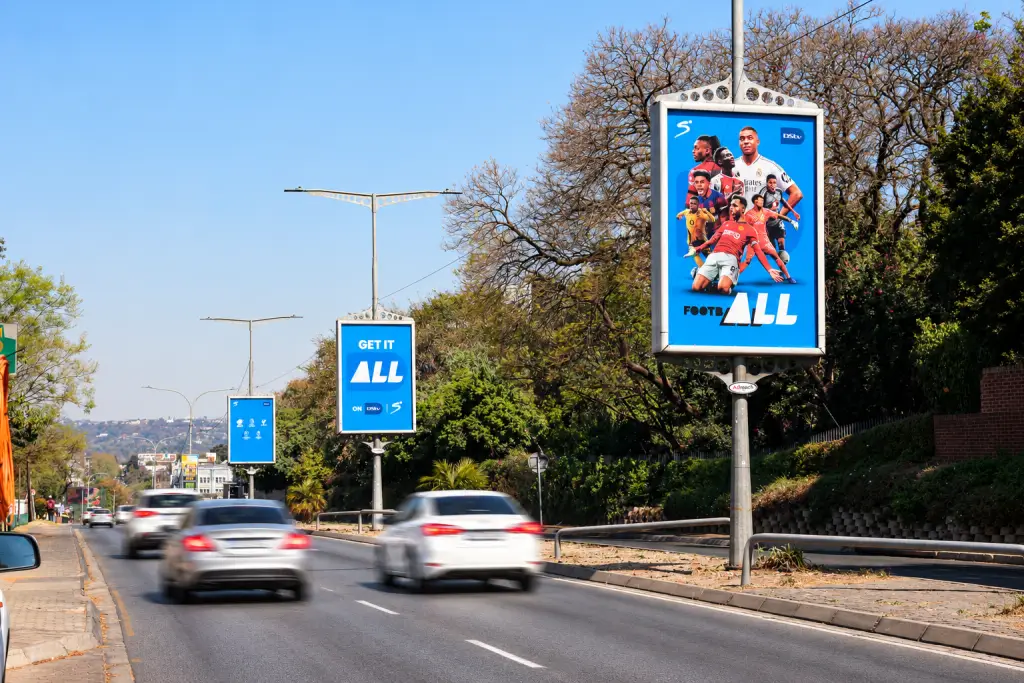
OOH’s core advantage lies in its unavoidable presence. Unlike digital ads that can be skipped or scrolled past, street pole ads, small format billboards and urban media placements exist in the real world, where audiences live, move and spend. This passive, continuous exposure not only boosts visibility but also enhances brand credibility and familiarity. Consumers often perceive brands on physical media as more established, which is why OOH consistently ranks as a top channel for trust and authority in brand positioning.
As mobile usage continues to rise, OOH now plays a critical role in triggering digital behaviour. A consumer who sees a street pole campaign is far more likely to Google the brand, follow a social page or visit a website. This is the essence of integration: the physical environment prompts digital engagement. The combination of geo-targeted OOH placements and digital remarketing creates a powerful message loop, first building awareness on the street, and then deepening action online.
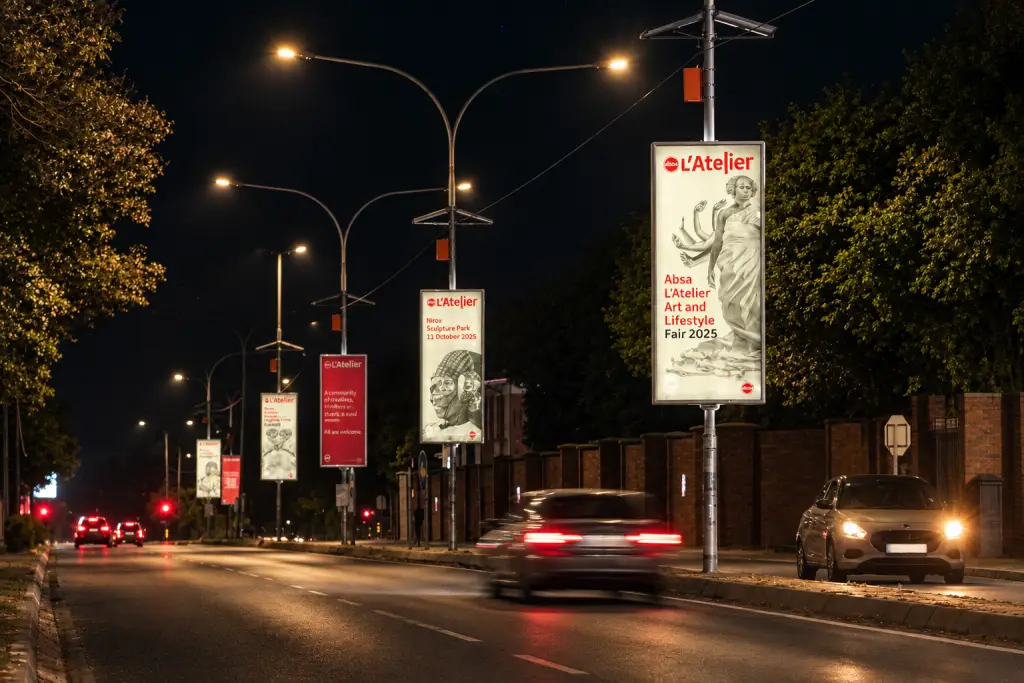
OOH also supports frequency, which remains one of the most decisive factors in campaign success. Repetition on high-traffic commuter routes ensures your message is absorbed without overwhelming the audience. Rather than fighting for attention in a noisy social feed, consistent OOH visibility reinforces brand memory, keeping your message top-of-mind exactly when consumers are making purchase decisions. During peak retail seasons, event periods, elections, launches and promotions, this continuous presence becomes even more critical.
What makes today’s OOH landscape especially impactful is its measurability and data-driven planning. With audience analytics and traffic counts and mobility data, brands can now target with precision, placing campaigns in the right areas at the right times to reach the right demographics. When layered with digital insights and CRM performance, OOH becomes an intelligent investment rather than a traditional media spend.
For brands prioritising integrated communication, the inclusion of small format billboards and street pole ads ensures geographic dominance, a level of repetition and route ownership that no other medium can replicate. Whether the goal is to launch a new product, drive store traffic, boost app downloads or support national visibility, OOH strengthens every leg of the communication ecosystem.
In a market where attention is fragmented but movement is constant, OOH remains the one medium consumers can’t switch off. When strategically integrated with digital and traditional platforms, it transforms visibility into influence and influence into action.
OOH isn’t just a support channel—it’s a strategic force multiplier.